
Noisy Garage Doors? Causes & How to Fix Them?
A noisy garage door can be a major nuisance. The frequent grinding, squeaking, and rattling sounds that accompany opening and closing the garage door can

Current offers
- Home
- Noisy Garage Doors? Causes & How to Fix Them?
A noisy garage door can be a major nuisance. The frequent grinding, squeaking, and rattling sounds that accompany opening and closing the garage door can irritate both homeowners and neighbors. While some garage door noise is to be expected, excessive or unusual noises often indicate underlying problems that need to be addressed.
Ignoring a noisy garage door not only leads to continued annoyance, but it can also allow minor issues to escalate into major repairs. Addressing problems early on can save homeowners headaches and money down the road. In this comprehensive guide, we will delve into the most common sources of garage door noise and how to remedy them.
Why It’s Important to Address a Noisy Garage Door?
Aside from being a daily annoyance, noise from a malfunctioning garage door can indicate issues that could lead to further problems if left unaddressed. Here are some key reasons why homeowners should troubleshoot and fix a loud garage door:
- Potential safety hazards – Strange noises like grinding and squeaking can be a sign of worn or broken parts that could fail catastrophically and cause the heavy door to fall unexpectedly. Neglecting these warning signs poses serious safety risks.
- Damage to the door and opener – Noisy operation puts more strain on the door and opener components, leading to faster wear and tear. This can lead to more expensive repairs and parts replacements down the line.
- Security concerns – A loud, malfunctioning door announces to potential intruders that your garage door is not operating properly. This could make your home more susceptible to break-ins.
- Neighbor complaints – The repetitive loud noises from a subpar garage door, especially early in the morning or late at night, are likely to prompt complaints from frustrated neighbors.
By inspecting a noisy garage door and fixing any issues promptly, homeowners can avoid more costly repairs, enhance security, prevent possible injuries, and maintain good relationships with neighbors.
How Noise Can Indicate Potential Problems?

In order to remedy an excessively noisy garage door, it is helpful to understand how different types of sound can signify specific problems. Here are some of the most common garage door noises and what they typically signal:
Squeaking, Grinding or Scraping Noises
High-pitched squeaking or grinding noises, especially when opening or closing the door, usually indicate worn or poorly lubricated rollers and hinges. Insufficient lubrication causes metal-on-metal grinding as the rollers slide along the door track. A scraping noise can mean that the door is rubbing against the tracks due to alignment issues.
Rattling and Shaking Noises
If the door rattles loudly when opening and closing, this often points to loose or broken hinges that need to be tightened or replaced. Rattling can also come from loose hardware or tracks that need tightening.
Banging or Slamming Noise
A door that slams loudly when closing may be out of balance. This requires adjusting the door’s cables and spring tension to ensure smooth operation. Hollow banging noises can also indicate damage to garage door panels that need replacement.
Humming, Grinding or Whining From the Opener
Unusual noises coming from the opener itself, like humming, grinding or whining, typically signify an issue with the opener such as worn gears, defective components or lack of lubrication. This requires opener maintenance or repair.
Popping or Snapping Noises
Loud popping and snapping noises may point to a broken garage door spring. Torsion springs are under extreme pressure and can break suddenly and cause the door to fall rapidly. This hazardous issue requires immediate professional repair.
Understanding the nature of the noise coming from your garage door is the first step toward diagnosing problems. Now let’s explore the most common causes of a noisy garage door and how to fix them.
Improper Installation
One of the most prevalent causes of a loud garage door is incorrect installation. If the door or opener was not properly fitted and adjusted by a professional, this can immediately lead to noise, vibration, and functional issues.
Some examples of installation problems that cause noise include:
- Misaligned tracks – If garage door tracks are not properly aligned and parallel, this can cause the rollers to grind and scrape loudly along the tracks each time the door is operated. Proper track alignment is crucial.
- Improperly spaced rollers – Rollers that are spaced too far apart or are uneven can cause the door to rattle loudly and put strain on the opener. Rollers should be evenly spaced no more than 8-12 inches apart.
- No weather stripping – Weather stripping acts as a cushion when closing the door. Without it, the door may loudly rattle, bang against the floor, and let in outside air. Vinyl weather stripping should line the bottom of the door.
- Unbalanced door – If the door is heavier on one side, the unbalanced weight distribution results in a noisy, shaky door that slams loudly when closing. Counterbalance cables need adjustment to remedy this.
If installation issues are causing your noisy garage door, it is best to have a professional garage door technician inspect and make the necessary adjustments for quiet, smooth operation.
Worn or Defective Rollers
The metal rollers that allow the door to slide along the metal tracks are one of the most common sources of garage door noise. Over years of use, these rollers can wear down, flatten out, become misaligned, or get damaged.
When rollers are worn or defective, the metal-on-metal grinding results in loud squeaking, grinding noise, and vibration as the door moves. Damaged rollers also put more strain on the garage door opener.
Replacing old, worn rollers with new nylon rollers is an effective way to cure noise issues and ensure smooth, quiet operation. Nylon rollers have high load capacities, generate minimal noise, and last longer than standard metal rollers.
Routine inspection of rollers for signs of wear, chips, flat spots or cracks allows for timely replacement and prevents unnecessary noise. Be sure to also check that roller brackets are straight and adjustable.
Poor Lubrication
Another primary cause of a squeaky, grinding garage door is lack of lubrication. Moving metal parts like rollers, hinges, pulleys and springs need periodic lubrication to avoid metal-on-metal friction.
When parts become dry, the metal components grind and squeak loudly against each other. Lubricating all moving parts helps muffle noise while protecting parts from wear.
Use a garage door lubricant like lithium grease on the bearings of rollers and pulleys. Lightweight oil can be applied to the torsion spring so it can flex quietly. Lubricate hinges with silicone spray or lightweight oil.
Always use lubricants specified for garage door parts. Hardware store lubricants like WD-40 can attract dirt and debris. Follow the manufacturer’s recommendations for lubrication frequency, often every few months.
Off-Balanced Garage Door
If a garage door is heavier on one side, this imbalance results in a shaky, noisy door. The uneven weight distribution causes the door to rattle loudly as it moves along the tracks. It also slams noisily when being closed.
A door can become off-balanced through the aging process, by broken cables or springs, or by replacing panels without adjusting the counterbalance system accordingly.
Ideally, the door should maintain a horizontal position when stopped halfway through opening. If it drifts up or down, the counterbalance system needs adjustment.
This involves tightening or loosening the torsion springs or extension spring cables to balance the weight and allow smooth, quiet operation. Have a trained garage door technician make weight balance adjustments.
Issues with the Garage Door Opener
Noisy operation or strange new sounds coming from the opener itself often indicate problems with the garage door opener that need mechanical attention. Common opener issues that can lead to noise include:
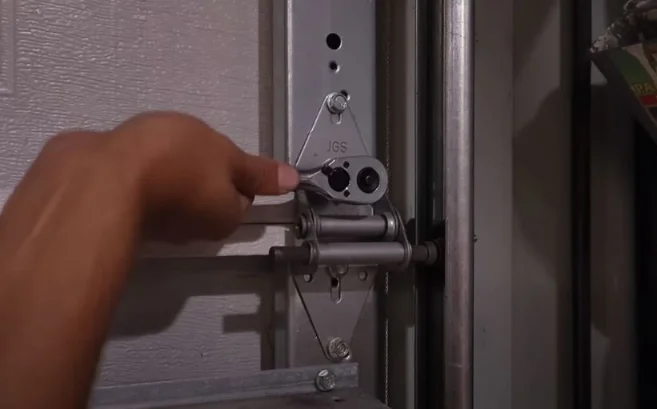
- Worn or stuck gears – Over time, opener gears can become stuck, misaligned or grind loudly due to lack of lubrication. Lubricating gears and checking proper alignments helps quiet noises.
- Defective opener motor– Grinding, binding or squealing noises from an electric opener motor usually means the motor is defective and needs replacement.
- Chain or belt issues – With chain and belt drive openers, worn or loose chains and belts can cause rattling, grinding and squeaking noises. Tightening or replacing belts and chains eliminates friction and noise.
- Lack of opener maintenance – Failure to periodically maintain the opener leads to issues like binding cables, chain jumping and stuck gears that cause noises.
- Incorrect opener adjustment – If opener limit stops, force settings and travel speeds are improperly adjusted, this can result in noisy start/stop changes and clattering.
Address opener noises right away to avoid complete failure and further noise issues. A garage door professional can inspect and pinpoint the problem, recommend needed repairs or replacement, and ensure quiet operation.
Preventive Maintenance for a Silent Garage Door
Taking preventive maintenance steps allows homeowners to stop garage door noise issues before they start. Here are some simple maintenance tips to keep your door quiet:
- Lubricate all moving parts – Use garage door lubricant to keep rollers, hinges, pulleys and springs moving quietly and smoothly. This simple step goes a long way in preventing noise issues.
- Inspect hardware – Check for loose bolts, damaged hinges, and bent pulley brackets. Tighten loose hardware and replace any worn parts.
- Test opener balance – Manually move the door halfway up. If it doesn’t stay put, the counterbalance system needs adjustment to eliminate noise.
- Check weather stripping – Replace any missing, damaged, or flattened weather stripping along the bottom of door to prevent rattling and air leaks.
- Regular professional maintenance – Have a garage door company perform bi-annual tune-ups, adjustments and parts replacements to keep the door noise-free.
By staying on top of maintenance and promptly replacing worn parts, homeowners can extend the life of the door, reduce costly repairs, and prevent irritating operating noise.
When to Call a Garage Door Professional?
While some minor garage door noises can be addressed with routine DIY lubrication and maintenance, other more serious noises require the expertise of a professional garage door technician.
Seeking professional help is recommended in these situations:
- You hear unusual noises like loud popping, snapping, or grinding. These can signal broken door cables, springs or opener issues that may pose safety risks.
- The garage door stops opening properly. The door may shake, get stuck midway, or open unevenly.
- Routine lubrication and maintenance checks do not resolve the noise. The loud squeaking, rattling or banging persists.
- There are signs of significant wear on rollers, broken hinges, frayed cables or stuck pulleys.
- The opener motor is making humming, grinding or whining noises indicating a problem.
- You need a major repair like garage door spring replacement or new door installation.
Licensed professionals have the expertise to accurately diagnose the source of persistent or unusual noises. They can then fix structural and mechanical issues that regular maintenance cannot address. Technicians also have the skills, tools and safety training to remedy torsion spring problems and heavy garage door opener repairs.
Seeking timely professional help whenever you hear abnormal noises can restore smooth, quiet garage door function and prevent safety mishaps or further equipment wear and tear.
Considerations for New Garage Door Installation
If your current garage door is excessively loud no matter what fixes you try, it may be time to consider investing in a brand new door. Advances in garage door technology and materials make newer doors much quieter than those manufactured even 5-10 years ago.
Here are some features to look for if your goal is a silent operating door:
- Openers with belt drives – Belt drive openers offer the quietest operation. They do not have the grinding chains and gears of chain drive or screw drive openers.
- Rollers with nylon wheels – Nylon rollers are ultra-quiet compared to metal rollers. They generate minimal noise as they roll along the track.
- Insulated steel panels – Steel foam filled garage door panels buffer sound and prevent rattling vibrations for quieter operation.
- Sealed weather stripping – Top quality weather stripping minimizes air leaks and prevents rattling along door edges.
- Proper installation – Precise installation and adjustment keeps the door balanced and ensures components move quietly.
The door framework and tracks, the panel materials, the rollers, and the opener system all contribute to overall noise levels. A professional garage door company can recommend the best options for a new door that will operate almost silently.
Frequently Asked Questions
How do I stop my garage door from making noise?
There are several steps you can take to stop a noisy garage door:
- Lubricate all the moving components like rollers, hinges, pulleys, and springs. Use a garage door lubricant designed for these parts. Properly lubricating is key for quiet operation.
- Inspect the rollers and replace any that are worn out or damaged. Worn metal rollers make more noise against the metal tracks. Replacing with quiet nylon rollers helps.
- Tighten any loose hardware including brackets, hinges, tracks. This eliminates rattling noises.
- Adjust the door balance by tightening or loosening the torsion springs and counterbalance cables. This stops noise from an unevenly balanced door.
- Clean the tracks and remove any debris buildup. This allows the rollers to move smoothly.
- Have a professional inspect the opener and do repairs if needed. Noisy openers need maintenance or part replacement.
- Consider replacing extremely noisy metal rollers with quieter nylon rollers for smoother, quieter door movements.
Taking these proactive maintenance steps can stop excess noise and restore normal operation. But loud grinding or snapping noises likely indicate bigger problems needing professional repair.
Why is my garage door so loud?
There are several common reasons a garage door becomes abnormally loud:
- Lack of lubrication causes metal parts like rollers and hinges to grind loudly. Regular lubrication reduces friction noise.
- Worn or damaged rollers make loud squeaking and rattling noises as they roll along the tracks. Replacing defective rollers helps.
- Loose, bent or broken hinges that need tightening or replacing can create banging and rattling.
- An unbalanced door that shakes and rattles due to broken springs or cables needs rebalancing and adjustment.
- Debris buildup along the track interferes with smooth roller motion and creates noise.
- Issues with the opener system like worn gears and defective motors causes grinding hums and whines.
- Installation problems from improper alignment or spacing can cause scraping and vibration noises.
Diagnosing the specific source of excess noise is key to addressing the problem properly. Ongoing maintenance also keeps noise at a minimum.
What kind of lubricant is best for garage door?
Specialty garage door lubricants formulated to protect moving metal parts work best. Silicone or lithium based lubricants allow smooth motion of rollers and hinges. Look for lubricants designed specifically for garage doors.
Avoid WD-40 or general hardware lubricants which can attract damaging dirt and debris over time. Only apply light lubricant to avoid grease buildup. Follow manufacturer guidelines for reapplication every few months or as needed to keep garage door parts moving quietly.
Conclusion
A noisy garage door can quickly go from being a mild annoyance to a major headache for homeowners. But identifying the source of the noise and taking corrective steps can restore the door to smooth, quiet operation. Simple fixes like lubrication and roller replacement can remedy many noise issues.
However, it is important to differentiate between minor noises and those indicating larger mechanical problems requiring professional help. With routine maintenance and prompt attention when noises arise, homeowners can have a reliably silent garage door. This avoids safety hazards, costly repairs, and disturbances to family members and neighbors.
A technician at your door
in the next two hours
Broken spring, door stuck open, car shut in. Call and we dispatch from the nearest yard — anywhere in Arizona.
statewide
What a call-out includes
We come out
No call-out fee anywhere in Arizona, and no charge to diagnose.
You get the price
In writing, on site, once a technician has seen the actual door.
You decide
Say no and we leave. Nothing charged, nothing started.
Six days a week
6 AM to 10 PM, Sunday through Friday. Not a 9-to-5 answering service.
Licensed, bonded and insured under ROC 346767. The estimate is given before any work starts, and you are free to decline it.
Why people in Arizona call us back
Six reasons that hold up to being checked — no award badges, no numbers nobody can verify.
Same-day, six days
6 AM to 10 PM, Sunday through Friday. Most calls are closed the day they come in.
Three Phoenix-metro yards
Mesa, Phoenix and Tempe, carrying springs, openers and panels for the doors actually fitted here.
Licensed under ROC 346767
Bonded and insured. The licence number is on every invoice and you can look it up.
Priced before work starts
You see the figure on site, in writing, and you can decline it.
Rated 5.0 across 520+ reviews
Across all three locations, from customers who let us in the first time.
Statewide coverage
Every city in Arizona, not only the twenty with a page on this site.
What that means on the day
Springs are the usual culprit
Arizona heat cycles a torsion spring harder than almost anywhere else. We stock them.
We carry the parts on the van
Openers, rollers, cables, panels — so most visits are one visit.
Straight answers on old doors
If a repair is the better buy, we will say so rather than sell you a replacement.
Emergency cover after hours
Outside 6 AM to 10 PM we still dispatch on a next-two-hours window.
How it works
Three steps, no surprises
-
01
Give us a call
Tell us what the door is doing. We answer 6am–10pm, six days a week — a person, not a queue.
-
02
Pick a 2-hour window
Emergency means the next two hours. Otherwise choose a window that suits you, today or later in the week.
-
03
Free on-site estimate
We quote before we start. You approve the price first — no hidden fees, no surprise on the invoice.
Reviews
What Arizona customers say
Every review below is a real one from our Google Business Profile, which holds 520 reviews averaging 5.0 out of 5.
Sir was very nice, explained it to me so many times because I didn’t understand and not once did he get mad or frustrated, definitely recommend!
Joe and his crew did an amazing job replacing our garage door. From the beginning the showed up on time and answered all my questions and provided a detailed estimate, which was very reasonable. They installed it and made sure i was completely happy before the
Joe was awesomwe.Came out within 30 minutes and was done all within an hour.Gave us military discount. We live in Scottsdale Az.Highley recommend.
Book a visit
Get a two-hour arrival window
Tell us what the door is doing and when suits you. We confirm by phone — usually within a few minutes during opening hours.
Would rather talk to someone? Call (480) 485-0575
- Licensed & insured — ROC 346767
- Open 6am–10pm, Sunday to Friday
- Serving the whole state of Arizona